Climate-related information disclosure
Handa Industries attaches great importance to the risks and opportunities brought about by climate change, strictly aligns with the TCFD climate-related financial information disclosure framework, and comprehensively carries out climate-related risk management and information disclosure from four dimensions: governance, strategy, risk management, indicators and objectives, to actively respond to the challenges of climate change and seize the opportunities of low-carbon transformation.

To systematically promote green and low-carbon transformation, the company continues to optimize its sustainable development display platform, presenting the full-chain sustainable development practices and achievements in a panoramic way through data visualization.
The platform focuses on two core dimensions:
1.Dynamic monitoring of carbon emissions:
Real-time tracking of the consumption trends of major energy sources such as electricity, steam, natural gas, and diesel at various production bases around the world, accurately quantifying carbon emission data at each base, and achieving full traceability and controllability of emissions; at the same time, it displays daily carbon emissions and carbon reductions, providing data support for carbon management decisions.
2.Presentation of Emission Reduction Practice Results:
Visually showcase the effectiveness of Industries' multi-path emission reduction actions—including the emission reduction contribution of solar photovoltaic power generation, the proportion of environmentally friendly materials (recycled fiber fabrics, recycled polyester, etc.) used, and emission reduction data from environmental protection actions such as electric vehicles, high-temperature direct discharge machines, and waste cloth recycling; key emission reduction projects are presented visually, making the results of green practices more intuitive and concrete.
Through digital means, Industries have achieved full-chain visualized management from "emission monitoring" to "results display," fulfilling their sustainable development commitments in a transparent and data-driven manner and injecting strong momentum into promoting green and low-carbon transformation.
-30811f3993bf408a98b409aa4ef4b712.png)
-7d47e855f16549968b8459f76faebe5f.png)

The Board of Directors bears ultimate oversight responsibility for climate-related risks and opportunities. The Sustainable Development Committee is responsible for coordinating the formulation of climate-related strategies, risk management and target implementation, and holds regular special meetings to review the progress of climate-related work and make decisions on major matters.
The management team has established a special climate task force, composed of heads of departments such as production, R&D, supply chain, and environmental protection, to be responsible for the daily work of carbon neutrality strategy implementation, climate risk identification and management, and emission reduction project implementation, and to report regularly to the Sustainable Development Committee.

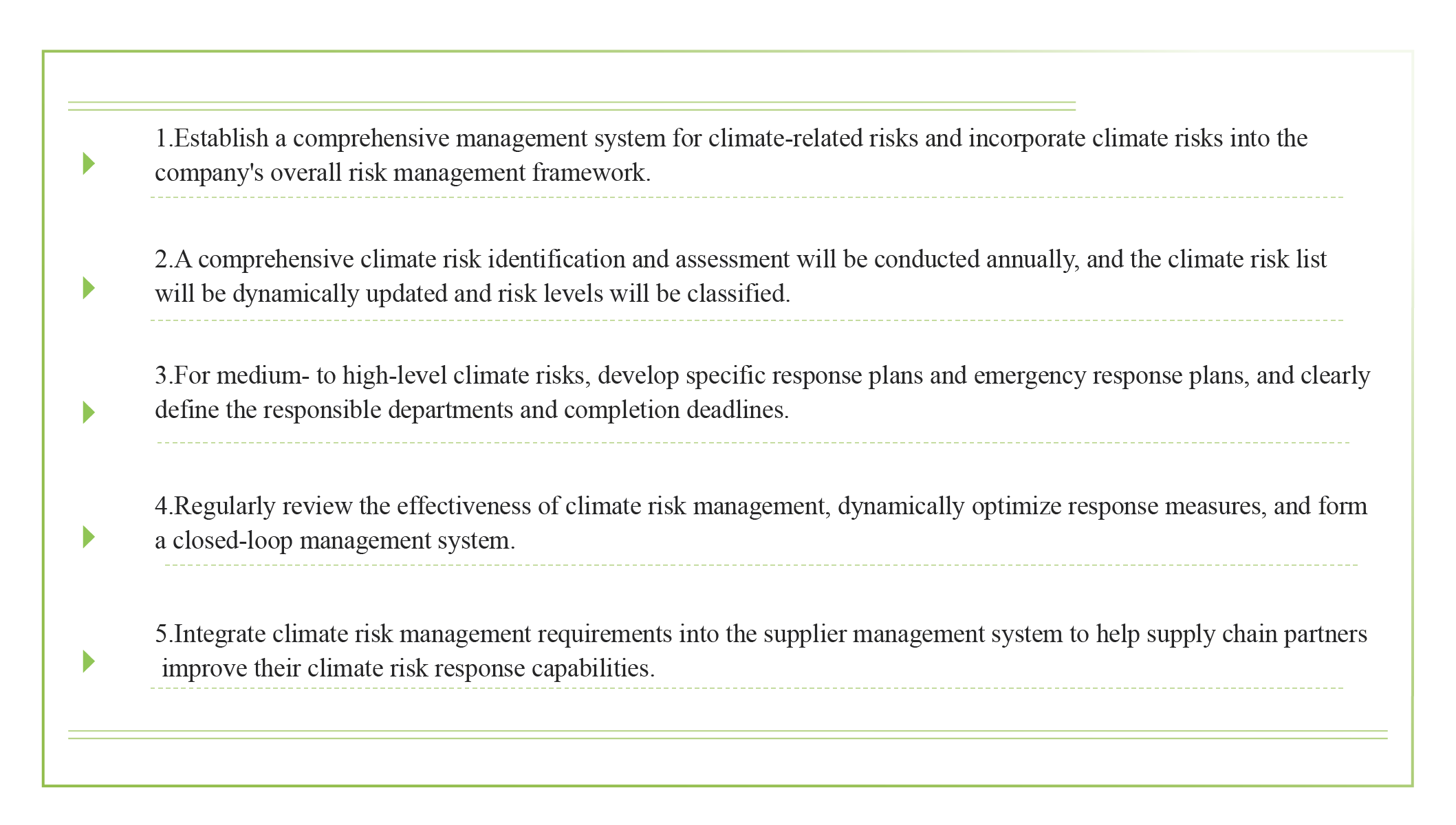
Identifying and assessing the transitional and physical risks posed by climate change is Handa's first step in addressing the climate challenge. We comprehensively identified the transitional and physical risks brought about by climate change, assessed their impact on corporate strategy, business, and finance, and developed targeted response strategies.
| Risk type | Detailed risk description | Impact Assessment | Response strategies |
| Transformation risks | Global carbon reduction policies are tightening, with increased costs and trade barriers arising from policies such as the EU's CBAM carbon tariff and the expansion of domestic carbon markets. | The medium to high impact mainly involves export business costs and investment in low-carbon technology upgrades. | 1.Formulate a carbon neutrality strategic path and accelerate the low-carbon transition 2..Promote product carbon footprint accounting and establish a carbon emission database. 3.Increase investment in low-carbon technologies and products to reduce carbon emissions from products. |
| The rapid iteration of low-carbon technologies poses a risk that companies' technologies and products will lag behind the pace of industry transformation. | The impact on the market is related to a decline in market competitiveness. | 1.Increase R&D investment and focus on low-carbon materials and green processes 2.Deepen industry-academia-research cooperation and keep up with cutting-edge technologies in the industry. | |
| Increased customer and consumer demand for low-carbon products poses a risk of insufficient supply of sustainable products. | Medium to high influence, involving market share and customer cooperation | 1.Improve the sustainable product system and increase the development of environmentally friendly products. 2.Collaborate with clients on joint research and development to align with their sustainability goals. | |
| Physical risks | Acute risks:Extreme weather events such as torrential rain, floods, and typhoons may cause production shutdowns and supply chain disruptions. | The impact of this on China mainly involves Myanmar, Bangladesh, andChinaProduction bases in Wuxi and other regions | 1.Conduct flood risk assessments of production bases and implement flood protection renovations for factory buildings. 2.Establish an emergency power supply and supply chain backup mechanism.Improve emergency response plans for extreme weather. |
| Chronic risks:Rising global temperatures and more frequent high-temperature weather lead to increased energy consumption in production and enhanced occupational health risks for employees. | The impact is low to medium, mainly affecting overseas production bases in Egypt, Myanmar, and other locations. | 1.Implement factory insulation renovation and optimize workshop ventilation and cooling system. 2.Improve the labor protection system for high-temperature operations. 3.Promote energy-saving technological upgrades to reduce energy consumption during hot weather. |
At the same time, climate change also presents development opportunities for businesses: increased market demand for low-carbon products enhances their market share in sustainable products; clean energy and energy-saving technological upgrades reduce long-term operating costs; green technology innovation enhances their core competitiveness; and low-carbon transformation helps them meet international standards and expand into global markets. We fully integrate climate opportunities into our corporate development strategy, driving high-quality development through low-carbon transformation.
Handa Industries held a signing ceremony for its 2025 annual target responsibility agreement and a business summary meeting
In January 2025, Handa Industries held its 2024 Annual Business Summary and 2025 Target Responsibility Agreement Signing Meeting. Business leaders reviewed past work, clarified areas for improvement, and signed annual target responsibility agreements on-site. Chairman Han Chun stated that the company should support customer development with high-quality products, emphasizing that product quality and sustainable development are core to the company's response to global climate policies and consolidation of market advantages. The company will deepen carbon footprint management, upgrade green processes, and cultivate low-carbon development competitiveness. This meeting implemented climate risk response and sustainable development strategies as annual tasks, solidified the responsibilities of all employees, and strengthened the management foundation for the company to promote carbon neutrality and address challenges such as carbon tariffs.
-7d8deda8bf064b7c879c5544b643bef5.jpg)
Handa Industries Chairman visits production bases in Yunnan and Myanmar
In August 2025, Han Chun, Chairman of Handa Industries, inspected the production bases in Yunnan and Myanmar. He looked into daily operations and exchanged views with staff, focusing on climate risk management, capacity layout and operational resilience.
At the Yunnan base, he discussed global capacity and talent strategies, and put forward a collaboration model of "China's efficiency plus Myanmar's cost advantages". He also urged higher automation, standardized on-site management and a full-process closed-loop management system.
At the Myanmar base, he checked smart equipment upgrades, production processes and work safety. Combining local climate and long-term plans, he launched the "Myanmar Future Star" talent program to recruit and develop local graduates and localize management teams. This will support climate adaptation, energy saving, emission reduction and extreme weather emergency preparedness at the base.
-e8f11d8865c6494b96eab4451831ad29.jpg)
-3a386e7979104ac9b59fecade310ee74.jpg)

Carbon Neutrality Strategic Path
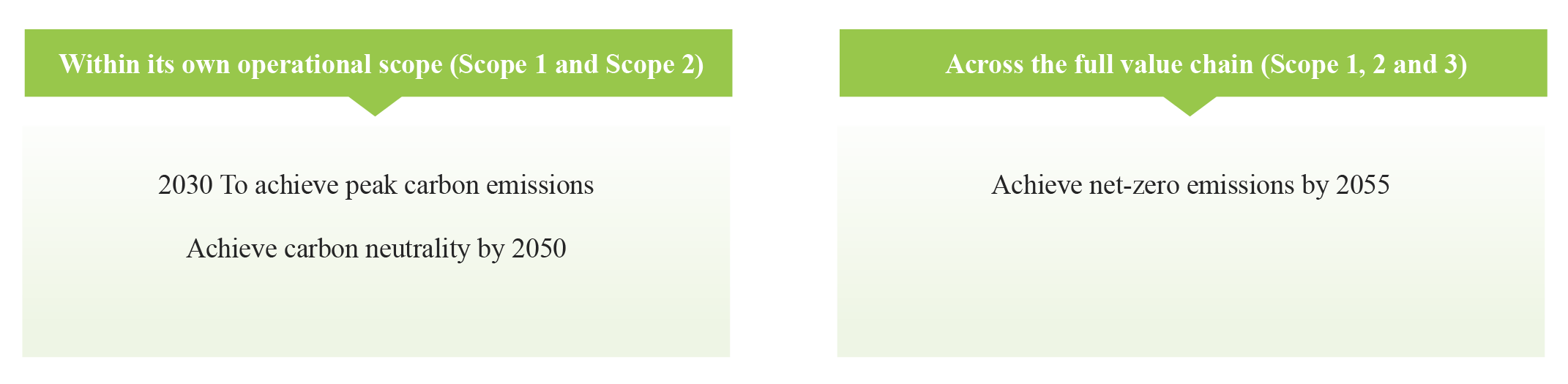
Handa Industries actively responds to global carbon reduction goals. Combining the development patterns of the textile industry with the characteristics of its global operations, it has formulated a scientific and feasible carbon neutrality strategy, clarified phased emission reduction targets, and contributed to global climate action through low-carbon transformation of the entire value chain, fully aligning with the United Nations Sustainable Development Goal 13 (Climate Action).


1. Energy Structure Transition:
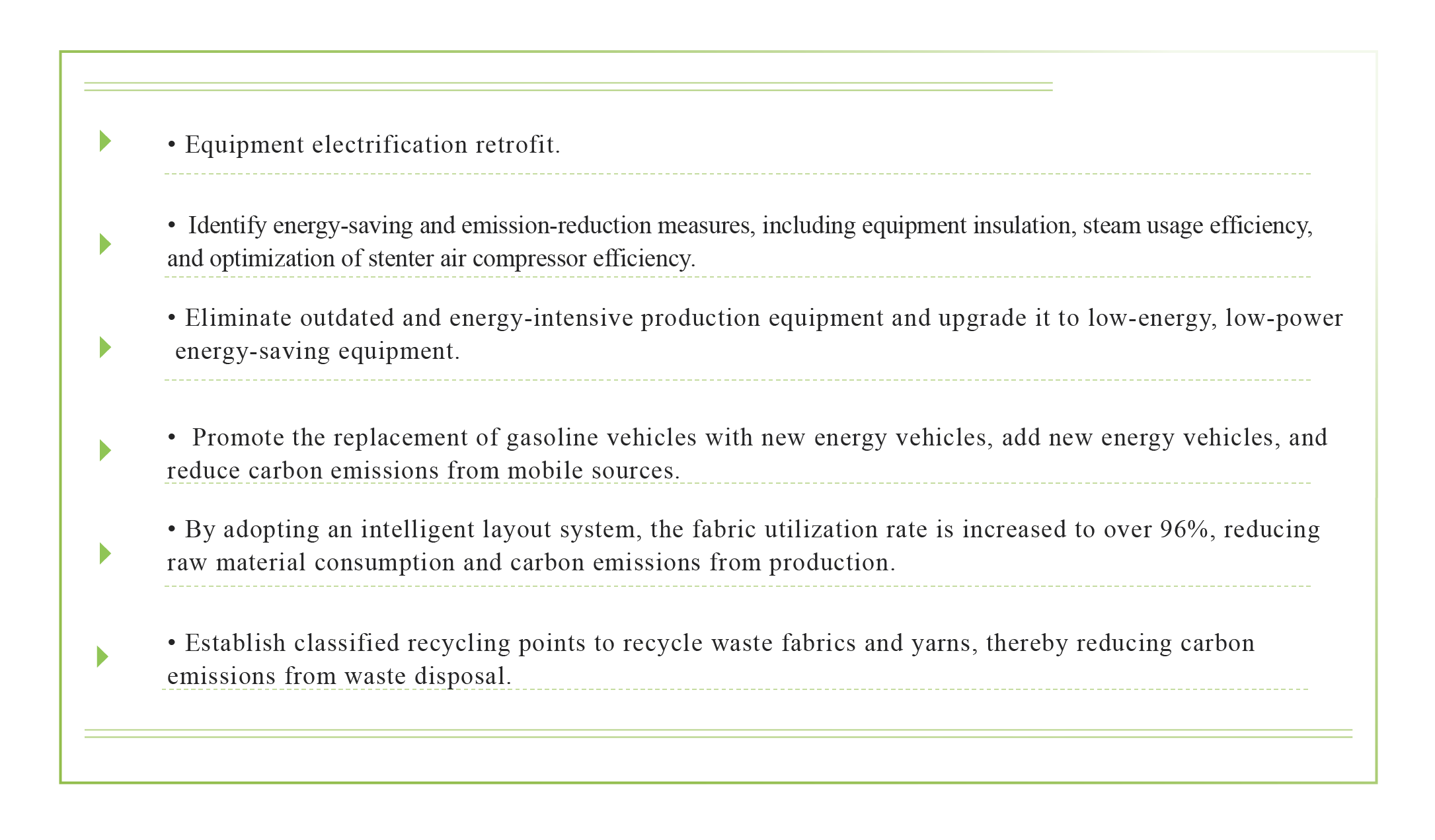
We vigorously promote the construction of rooftop photovoltaic projects in factory campuses, continuously expand green power procurement channels, and phase out traditional fossil energy. This initiative further optimizes the corporate energy structure and steadily increases the proportion of renewable energy in total energy consumption.
2. Energy Efficiency Improvement and Technological Transformation:
We regularly implement energy-saving optimization upgrades for production facilities, introduce advanced low-carbon manufacturing processes, continuously reduce carbon emissions per unit of output, and steadily improve the energy efficiency of the entire plant.
3. Low-carbon Technology and Product Innovation:
We scale up R&D investment in low-carbon and zero-carbon materials and improve the product carbon footprint accounting system, targeting a 60% sales proportion of eco-friendly products by 2030.
4. Supply Chain Emission Reduction Collaboration:
We integrate carbon reduction requirements into the supplier management system and empower supply chain partners to enhance low-carbon management capabilities. We aim for 100% of core suppliers to establish science-based carbon targets by 2030.
5. Carbon Offset and Ecological Compensation:
For hard-to-abate carbon emissions, the Company offsets residual emissions by purchasing high-quality forestry and renewable energy carbon sinks, and actively participates in public welfare ecological conservation projects.
Awarded the title of "Provincial Green Factory"
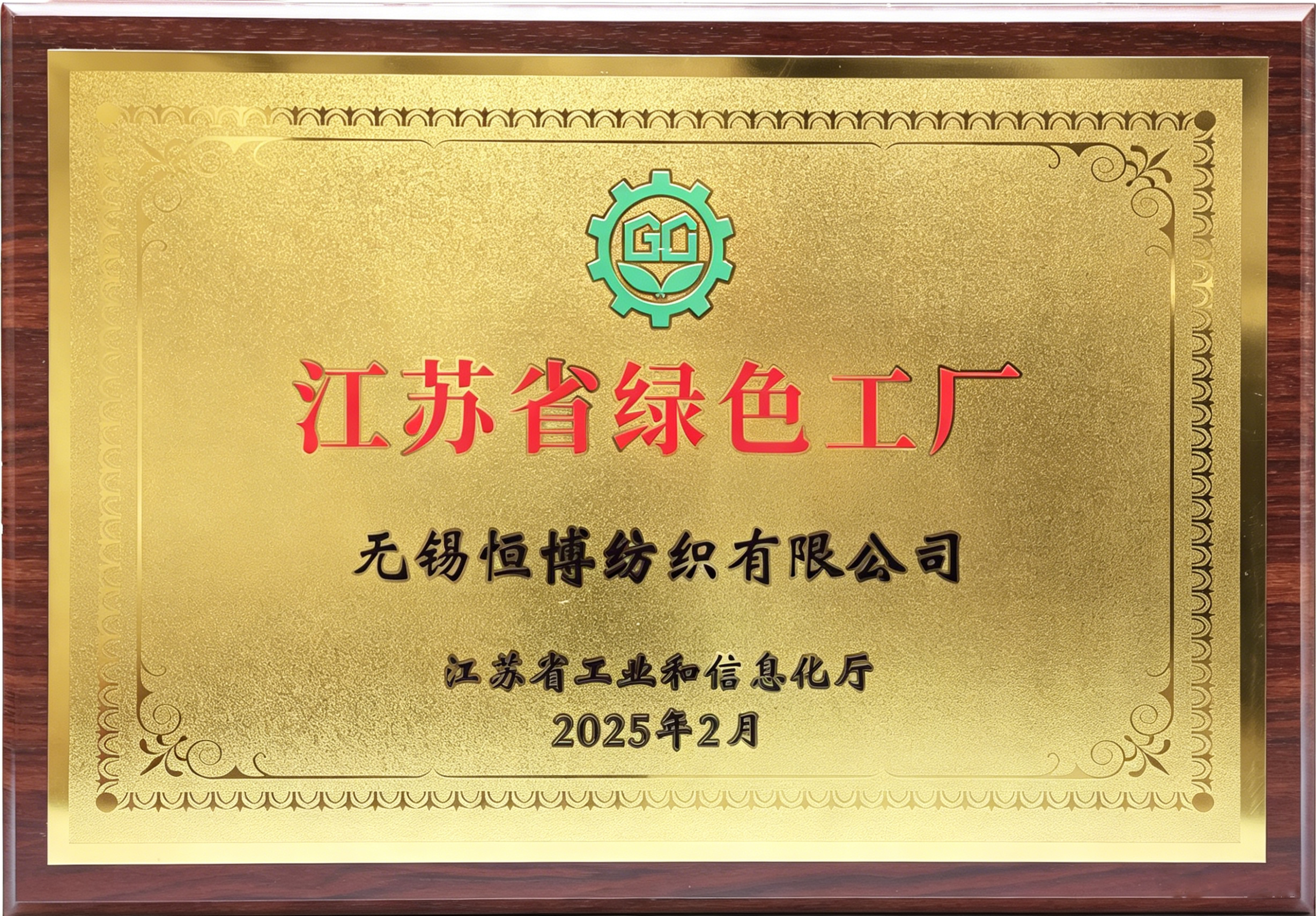
In January 2025, Wuxi Hengbo Textile Co., Ltd., a subsidiary of Handa Industries, was shortlisted.“Jiangsu Province Green Factory in 2024"List. Previously, the company had been recognized as a green factory in Wuxi.
In terms of green development, Wuxi Hengbo Textile has continuously promoted energy-saving renovation projects, including replacing steam generators with high-efficiency ones, using energy-saving lighting fixtures, and promoting paperless office practices, effectively reducing energy consumption and environmental impact. At the same time, the company has introduced automated control systems to achieve precise control of various parameters in the production process, further reducing energy consumption while improving production efficiency.
This recognition as a provincial-level green factory is an affirmation of Handa Industries' achievements in its development path of "high-end, intelligent, and green".
Handa Industries held a sustainability achievement exhibition and Q&A session to raise employees' environmental awareness
In January 2025, Handa Industries held a sustainability achievements exhibition and quiz event, combining poster displays with interactive Q&A to promote the concept of sustainable development to its employees. The exhibition focused on themes such as energy conservation and emission reduction, resource recycling, and green supply chain management, showcasing the company's practical cases and achievements in sustainable development.
The Q&A session covered topics such as environmental knowledge, green lifestyles, and relevant laws and regulations, with employees actively participating. The activity aimed to foster a culture of sustainable development within the company through engaging and interactive activities, encouraging employees to integrate environmental concepts into their daily work and lives.
-1ec7de5ce48d43ddafac20bab6f415ba.jpg)
-eb5b6ea1a4344e3e8a9764cfb671ea29.jpg)
Greenhouse Gas Emission Accounting
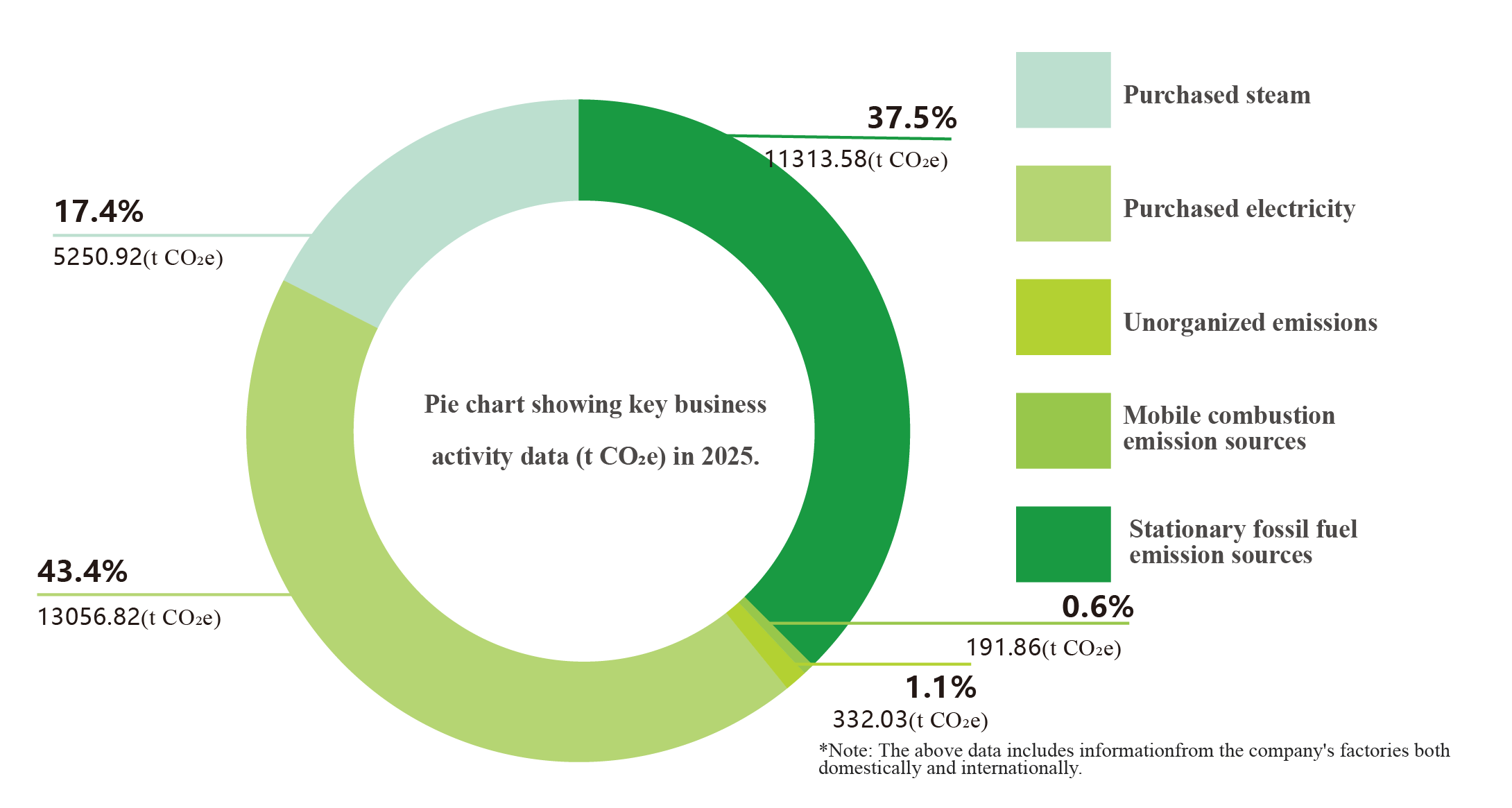
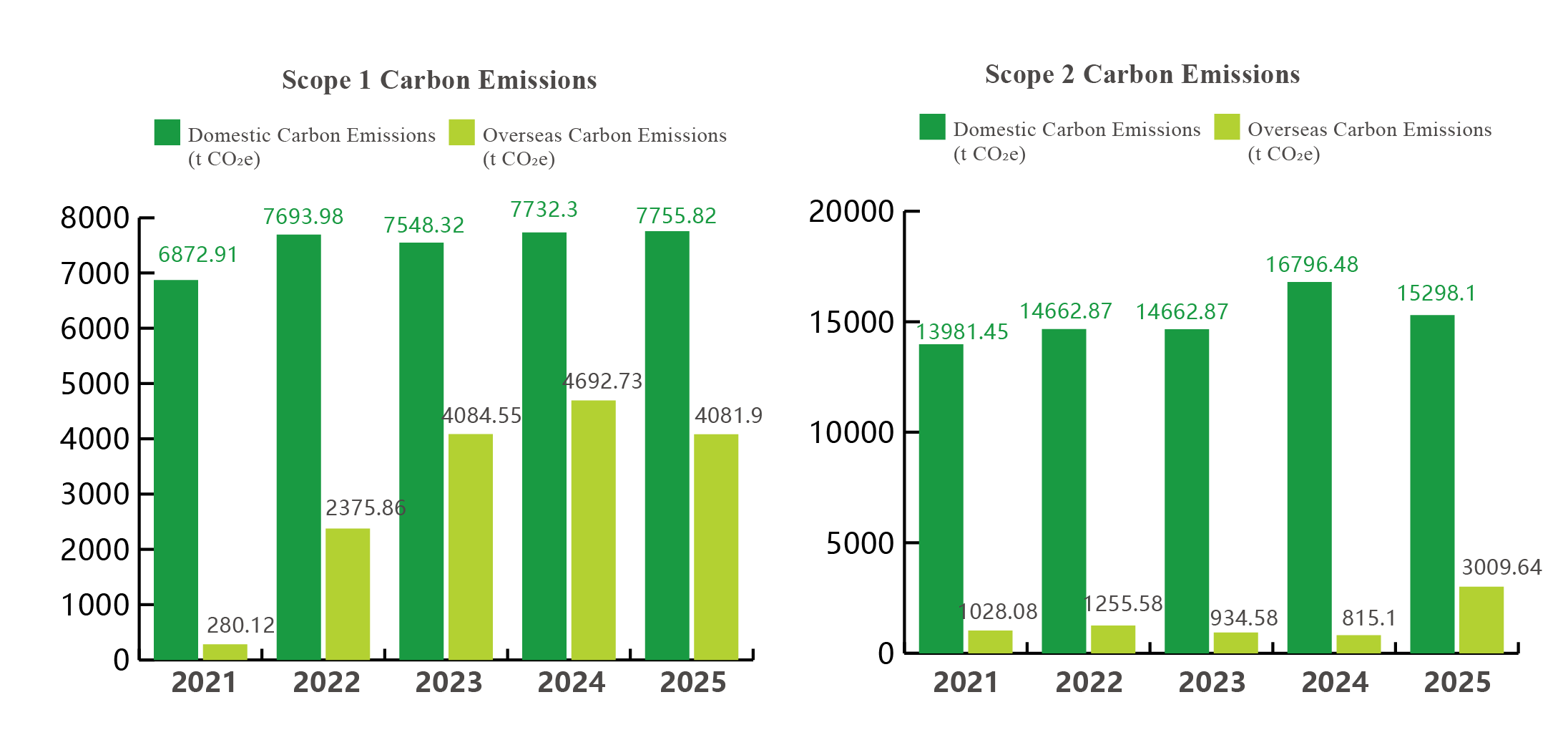
Handa Industries adheres to the concept of low-carbon operation and strictly follows the Greenhouse Gas Accounting System and ISO 14064 standards to conduct full-range greenhouse gas emission accounting covering all production bases worldwide, ensuring that the data is accurate and traceable, and providing data support for scientifically formulating carbon emission reduction paths.

Reduce energy consumption in office and production processes and improve energy efficiency to reduce carbon emissions.